
The short version
- Source: NDTV video lead, cross-checked against accessible CBS News coverage of the same Pentagon release.
- What changed: the Pentagon posted 41 additional declassified UFO/UAP records, described in coverage as the fifth recent disclosure batch.
- Record mix: public reporting says the release includes documents, images, and videos from agencies including the Pentagon, FBI, CIA, State Department, and Executive Office of the President.
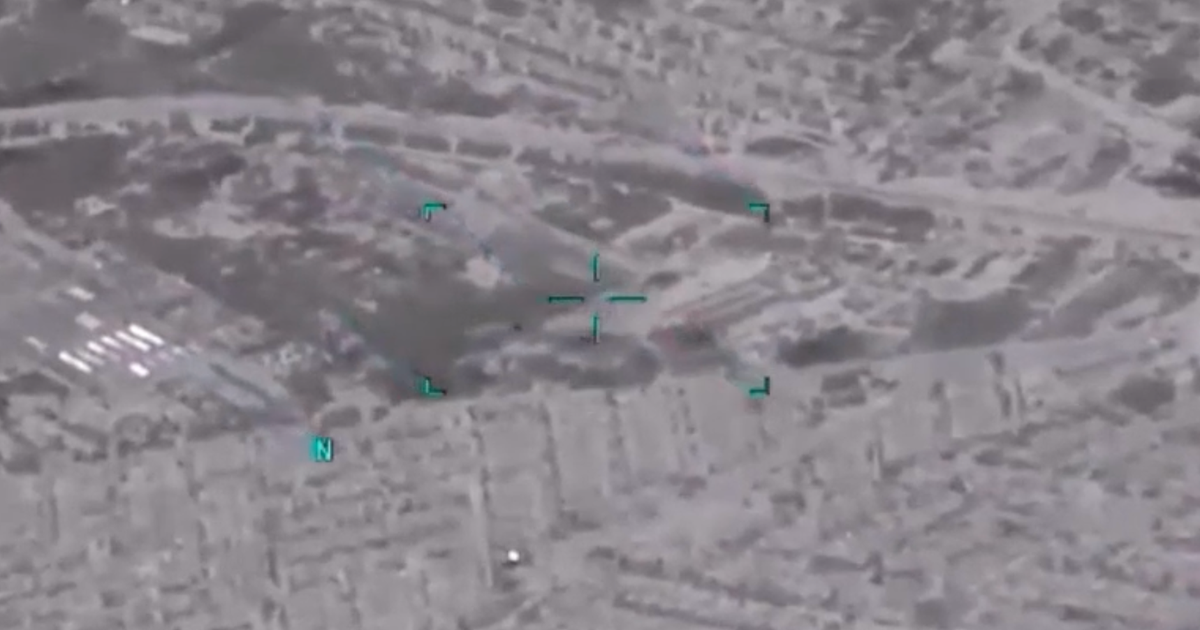
- Concrete case detail: CBS reports six videos relate to a September 2021 Gulf of Oman AC-130J gunship encounter in which roughly 25 UAP instances were observed during a live-fire exercise.
- Access note: NDTV's page blocked direct automated access during this run, so the article preserves the NDTV video/search lead and uses accessible parallel reporting for details.
What the records say
The NDTV lead points to a new Pentagon records release. Accessible CBS coverage says the 41 files span documents, images, and videos, with records from multiple U.S. government bodies and dates ranging from 1950 to 2026. The release is described as the fifth batch under a January executive order directing agencies to produce more UFO-related documents.
The strongest concrete item in the public coverage is the Gulf of Oman set. CBS reports that six videos show versions of a September 2021 encounter involving Special Operations forces on an AC-130J gunship. An accompanying intelligence report is quoted as saying the forces observed approximately 25 UAP instances during a live-fire exercise, with cold orbs at lower altitudes, estimated speeds from 250 to 1,300 mph, formation changes, aggressive maneuvering, and apparent reactions to cannon fire. CBS says the encounter remained unresolved by AARO.
The same coverage notes additional unresolved material, including a 2025 U.S. Central Command clip from over a populated area in the Middle East and an infrared video captured by a U.S. Government Special Agent in the western United States.
What the media and records can and cannot show
The records release is valuable because it moves several UAP leads from rumor into source-linked public documentation. It still does not mean every object in the videos is extraordinary. Public clips and news summaries usually lack range, altitude, exact coordinates, sensor settings, environmental data, target size, and full chain-of-analysis details.
For the Gulf of Oman incident, the reported description is notable, but the public record still has to be weighed against sensor artifacts, background contrast, aircraft or drone activity, atmospheric conditions, exercise context, and classified operational details that may not appear in open files.
Why this one is worth tracking
This batch is a roadmap for future reporting. The 41-file release links UAP discussion to specific records, agencies, dates, videos, and unresolved labels. The Gulf of Oman cluster is especially trackable because multiple clips reportedly tie to one military platform and event, making it possible to compare video metadata, written intelligence summaries, later AARO updates, and independent aviation or maritime context.
Open questions
- Which of the 41 files contain primary video, still imagery, witness statements, or analytical conclusions?
- Can the Gulf of Oman event be narrowed by time, exercise area, aircraft track, weather, and maritime/aviation traffic?
- What criteria did AARO use to leave the Gulf of Oman and other clips unresolved?
- Will the Pentagon release higher-quality original files rather than compressed public clips or screen recordings?