
A new UNILAD Tech report points to another Pentagon / Department of War UAP records release, including documents, videos, images, and a western United States red-lights report. The record trail is worth tracking, but the accessible source does not show proof of alien life or enough primary case data to resolve the sighting.
The short version
- Source: UNILAD Tech coverage of a Pentagon / Department of War UAP records release.
- Published: August 12, 2026, 09:55 GMT+1.
- Records context: UNILAD says 41 documents, videos, and images were released in an August 7 records drop.
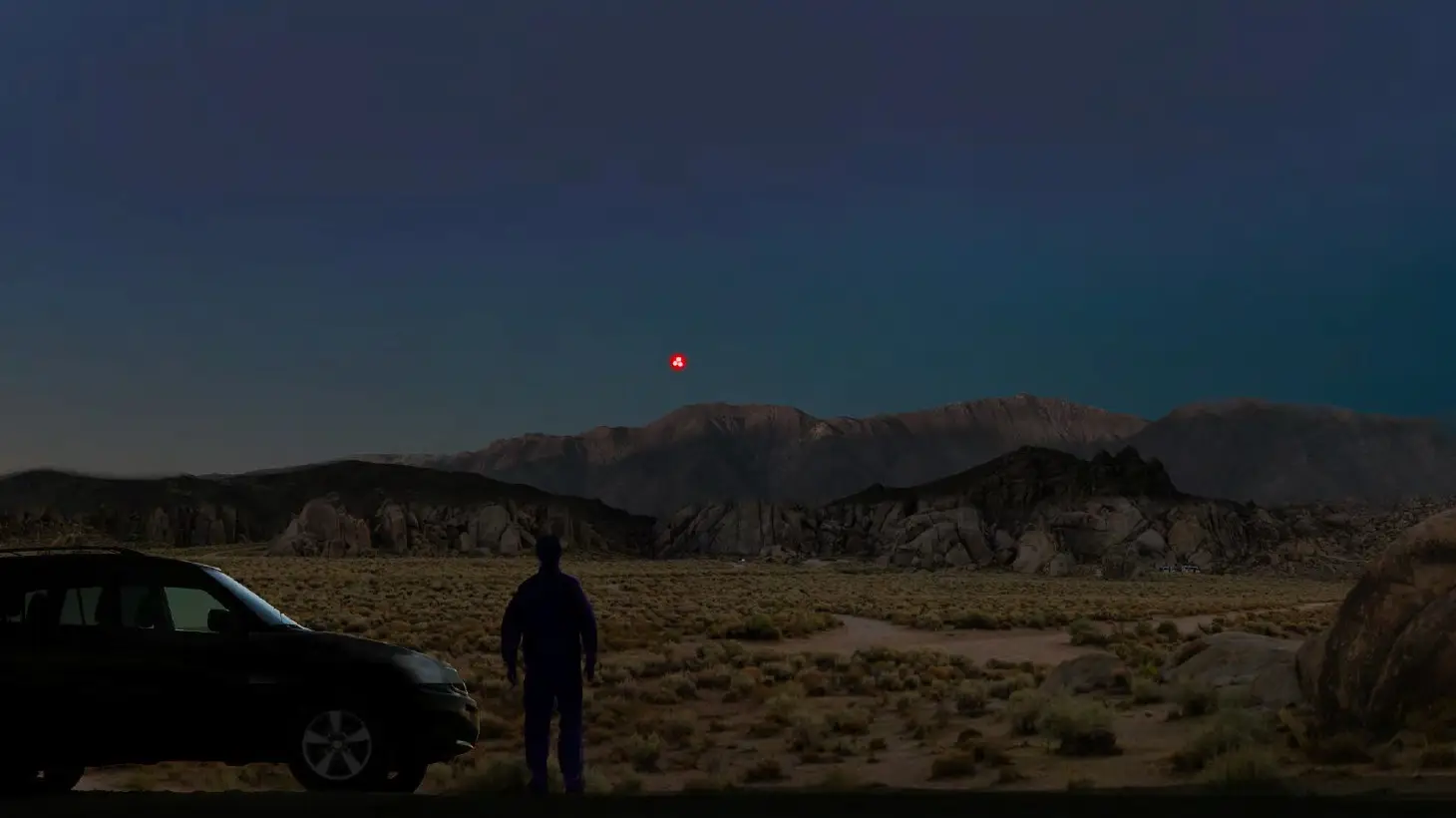
- Specific lead: the article highlights a western United States UAP report involving “multiple red lights” and first-hand descriptions from U.S. citizens connected to an FBI PURSUE initiative.
- Important limit: AARO's public site was blocked from this run environment, so this rewrite relies on accessible UNILAD text and labels the official-source access limit clearly.
What the records say
UNILAD Tech reports that the Pentagon / Department of War released 41 UAP-related documents, videos, and images, describing the batch as the fifth release of the current administration. The article says the release includes files connected to sightings from this year and highlights a western United States case where first-hand descriptions pointed to “multiple red lights.” It also says the package includes artistic interpretations tied to the report.
The accessible article frames the release as significant but also notes a major evidentiary limit: the disclosures have not provided explicit confirmation of alien life. The UAP Trail preserves that distinction. A records release can be important for transparency and pattern tracking even when it does not identify an object or support extraterrestrial conclusions.
What the records and media can and cannot show
The UNILAD article provides a useful lead into the latest release and identifies a trackable sub-case: multiple red lights in the western United States, associated with citizen descriptions and a PURSUE/FBI pathway. However, the public story available in this run does not include the original case file text, exact location, exact time, sensor data, or enough image metadata to evaluate the report independently.
AARO's official pages returned access-denied responses from this environment during the run. That means this article does not invent official metadata that could not be checked directly. The source image used here is described as an artistic interpretation, so it should be read as context from the records package, not as photographic proof of a UAP.
Why this one is worth tracking
Records-release leads matter because they can be revisited when the underlying files, images, or videos become accessible from a primary government source or mirrored archive. This item is especially useful for the monitor because it connects a broad 41-file release to a more concrete described case — multiple red lights over the western United States — while keeping the evidentiary claim modest.
Open questions
- Which exact file in the August 7 release corresponds to the western United States red-lights report?
- What location, time, duration, and witness count are recorded in the primary file?
- Are there photographs, videos, sensor records, or only artistic interpretations?
- What ordinary explanations were checked before the case was included in the release?
- Can the official AARO/Department of War page be accessed or mirrored for direct verification?