
The short version
- Space.com published an interview with Mike Gold, who argues that the recent federal UAP file releases are unprecedented and valuable even if they disappoint people expecting a single dramatic reveal.
- Gold frames disclosure as an iterative records process: evaluate the information objectively, follow the data, and avoid declaring every case ordinary or extraordinary before the evidence is complete.
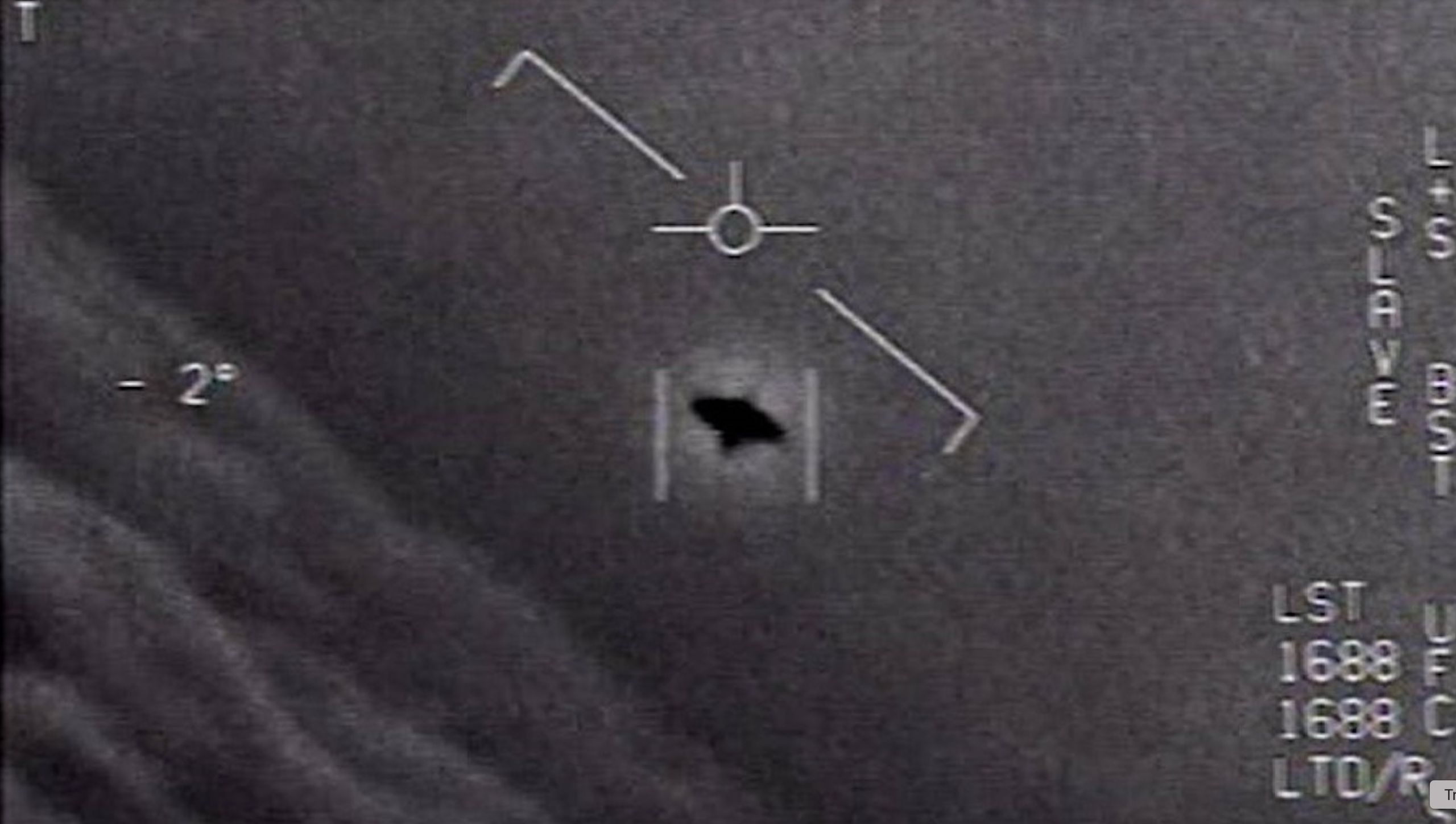
- The article discusses NASA-related imagery, a football-shaped UAP image released by the Pentagon, and the need for aviation-safety-style reporting paths that capture more usable UAP data.
What the records say
The source report centers on the public-release process, not a fresh event in the sky. Gold says the White House and federal agencies are already inside a disclosure process because documents and imagery are being pushed into public view.
Space.com quotes Gold acknowledging disappointment over what has been released so far, while arguing that the bureaucratic process starts with what can be done immediately and should grow into more useful releases over time.
The article also separates the word “disclosure” from a guaranteed non-human-intelligence conclusion. Gold’s stated posture is to evaluate data objectively, including possibilities that may be ordinary, extraordinary, or tied to adversarial drones.
Media and records limits
The Space.com page uses source and agency images, including UAP frames and NASA-meeting imagery, but the interview does not supply complete case files for each referenced image. Readers still need original records, timestamps, sensor data, and release notes before treating any frame as resolved evidence.
Some of the article’s discussion moves into broad disclosure scenarios. The UAP Trail is preserving the concrete records-process claims while keeping crash-retrieval or non-human-intelligence implications separate from publicly checkable documents.
Why this one is worth tracking
This belongs on the monitor because records releases are now part of the sighting ecosystem: every new public batch changes what can be checked, mapped, and compared against older witness accounts.
Gold’s emphasis on data quality and aviation-safety reporting is directly relevant to how future UAP sightings could move from anecdote to usable evidence.
Open questions
- Will future releases include fuller metadata, not just images and short descriptions?
- Will NASA or aviation-safety channels adopt a reporting path that increases data quality?
- Can independent researchers tie the highlighted imagery to original case files and operational context?
- Will official releases distinguish unidentified drones, sensor artifacts, and truly unexplained cases more clearly?