
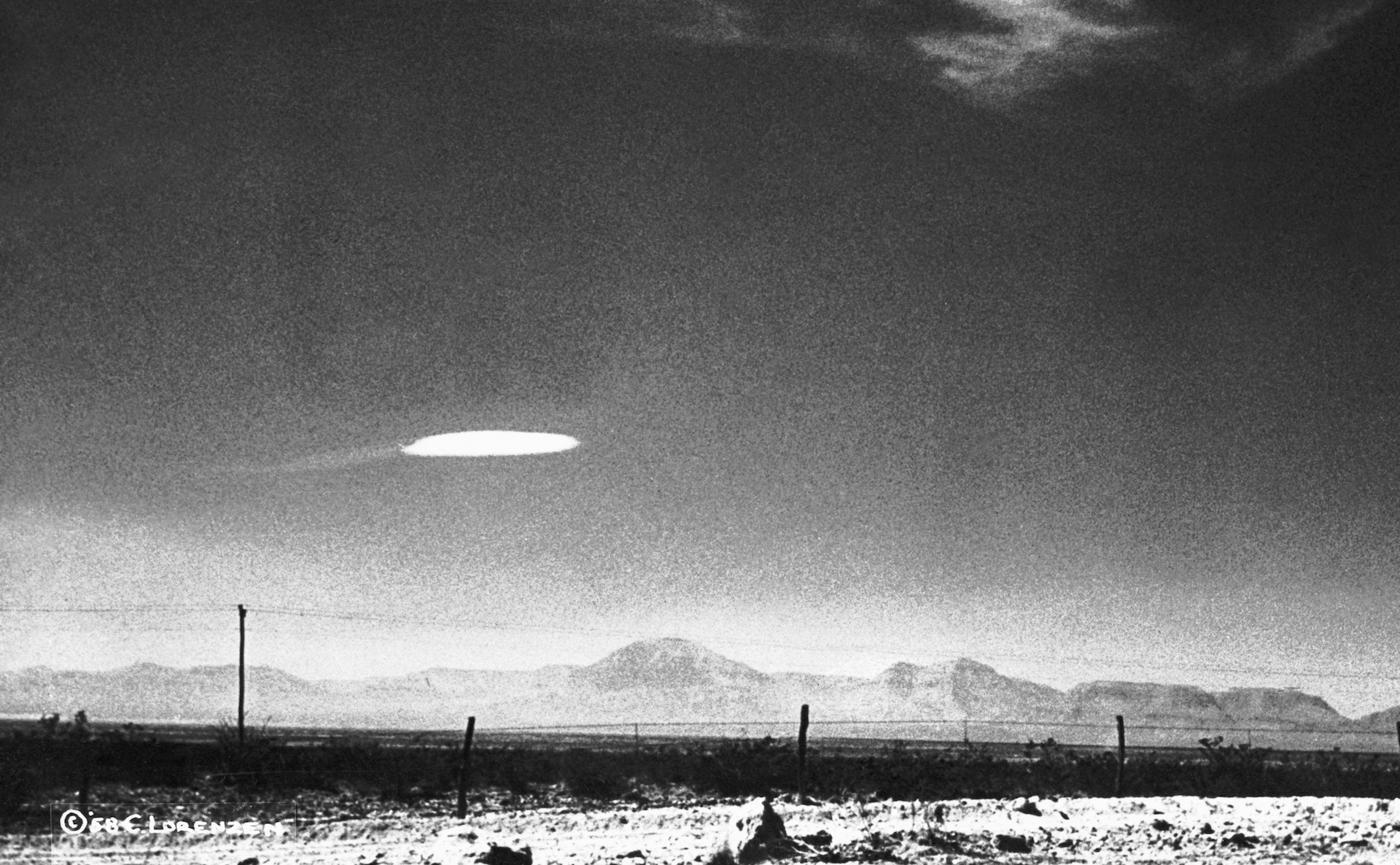
DefenseScoop source image credited on the source page to Bettmann via Getty Images. This is records-context media, not a new sighting photograph.
The short version
DefenseScoop reports that the Pentagon’s All-domain Anomaly Resolution Office moved toward a sole-source commercial data subscription with the National Unidentified Flying Object Historic Records Center, a New Mexico nonprofit described as holding a large private archive of historical UFO and UAP records.
What the records say
The article says the contracting notice is aimed at giving AARO access to pre-existing proprietary records, especially pre-1990 materials, as the office works through congressional direction to review U.S. government involvement with UAP dating back to 1945. DefenseScoop quotes a War Department official saying market research found no other organization with the same depth, volume of unique records, and specialized analytical expertise for the government’s minimum needs.
The source also places the move in the chain of National Defense Authorization Act requirements that created AARO and expanded its historical-review duties. This is a records-access story; it does not establish that any specific archived case has an extraordinary explanation.
Records analysis and limits
The useful signal is procedural: AARO appears to be widening the archive base it can review beyond government-held files. The public-facing limit is equally important: a subscription or archive-access plan does not itself release case files, authenticate every private record, or identify any sighting. Individual documents still need provenance checks, chain-of-custody review, and comparison with official holdings.
Why this one is worth tracking
If AARO gains access to a major private archive, the historical review could surface older case files that were never in federal custody or were missing from public government releases. That makes this a high-value records-watch lead for future monitor updates, especially if new documents, metadata, or case cross-references become public.
Open questions
- Which specific pre-1990 collections would AARO be able to search?
- Will any resulting case metadata or digitized records be released publicly?
- How will AARO validate privately held records against official files?
- Could the archive search change the public historical record for known cases, or mainly fill indexing gaps?