
The short version
- ABC News says the Pentagon released declassified UFO/UAP files from several federal agencies, including material dating back to the late 1940s.
- The Pentagon framed the release as part of a public website and said additional files would be released on a rolling basis.
- ABC’s review notes clusters of reports near active military operations, a pattern that may reflect where sophisticated sensors and frequent missions are concentrated rather than proof of exotic origin.
What the records say
The source story describes newly posted government material rather than a single skywatcher report. ABC cites the Pentagon’s public statement that videos, photos, and original source documents from across the government are being centralized for public access.
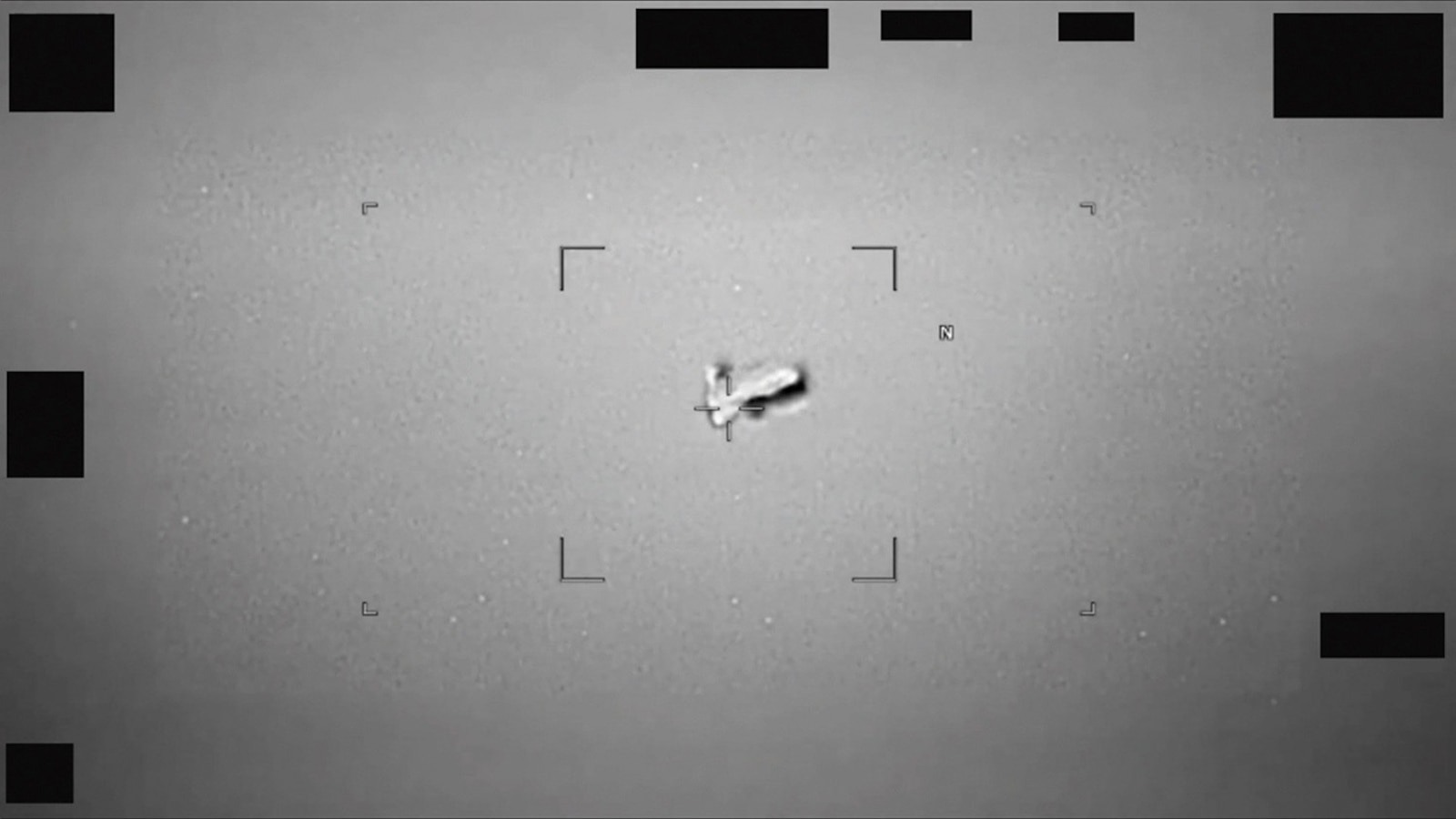
Concrete details in the report include a Department of War image described as a football-shaped body near Japan, an infrared still from a U.S. military system showing unidentified object(s) over the western United States in September 2025, and older Cold War-era records. Those examples are leads for document review; they do not, by themselves, identify the objects.
The most careful reading is that the release expands the public paper trail. It does not resolve the underlying cases, and it does not make alien or secret-craft conclusions public evidence.
Media and records limits
The ABC page includes source imagery from Department of War / Department of Defense material, but public stills and clips generally lack the full sensor package, chain of custody, calibration details, and operational context needed for identification.
The Department of War portal was not directly accessible from this run because it returned a 403 response, so this article relies on the accessible ABC report, search-result snippets, and previously verified portal context rather than inventing unavailable metadata.
Why this one is worth tracking
This lead is worth tracking because centralizing records can let readers compare reports across agencies, eras, and theaters instead of relying on one-off screenshots or secondhand claims.
The military-operation clustering also matters: it may indicate sensor bias, drone/adversary activity, training-area artifacts, or unresolved cases that deserve better release packages.
Open questions
- Which specific case files in the release have enough metadata for independent review?
- Will the rolling release include original video, frame timing, sensor platform notes, and redaction explanations?
- How many clustered reports are explained by military sensor coverage versus genuinely anomalous behavior?
- Will the Pentagon correct or annotate files when outside researchers identify likely conventional explanations?