
The short version
- Source: Starlust report surfaced through Google News, with corroborating coverage from Tampa Free Press and USA Today video snippets.
- Reported release date: August 7, 2026.
- Core claim: the Pentagon / Department of War public UFO archive added 41 UAP-related files, including documents, photographs, and video.
- Locations named in coverage: Montana, Utah, Colorado, Brazil, Sweden, Afghanistan, the Pacific Ocean, the Middle East, and a Gulf of Oman encounter.
- Important limit: “unresolved” means unidentified in the available record, not proof of alien craft or secret technology.
What the records say
Starlust reports that the new batch includes 41 files from the Pentagon, FBI, CIA, State Department, and Executive Office of the President, with material ranging from 1950 through 2026. The article says the files were posted through the official war.gov/ufo archive and are part of a rolling disclosure process following a presidential order to publish more UAP-related records.
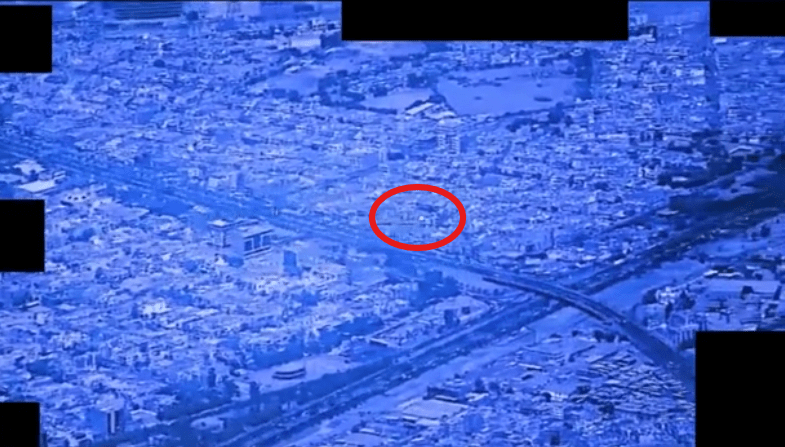
The report highlights several examples: six videos described as different angles of a September 2021 Gulf of Oman encounter filmed from sensor screens aboard an AC-130J during a live-fire exercise; a 2023 infrared-sensor video submitted by U.S. Central Command; and a triangle-sighting item associated with Afghanistan. Tampa Free Press separately describes the same release as 41 documents, images, and videos spanning more than seven decades of government material.
What the records and media can and cannot show
The value here is that the lead points back to a government archive instead of a detached clip. Official file drops can provide dates, agency provenance, sensor context, and sometimes case-status language that helps separate open cases from internet folklore.
The limits are just as important. Public writeups do not by themselves resolve object identity, and the government’s use of “unidentified” or “unresolved” does not establish extraterrestrial origin. Video of sensor screens, infrared imagery, and digital renderings need original files, chain of custody, platform details, calibration context, range, weather, and contemporaneous operational records before readers can responsibly weigh what they show.
Why this one is worth tracking
Records releases are high-value monitor items because they can lead to primary documents that outlast a news cycle. This batch appears to include recent cases and older material across multiple agencies, which means individual files may be worth breaking out later if they contain dates, places, witness statements, or media with enough context for case-level review. The Gulf of Oman and Afghanistan items are especially worth watching because they combine location, military collection context, and public video references.
Open questions
- Which of the 41 files contain original media rather than summaries, renderings, or screenshots?
- Do the Gulf of Oman videos include exact time, coordinates, platform metadata, and sensor information?
- What case-status language does AARO or the archive use for each file: unresolved, explained, pending, or administrative release?
- Are there corresponding FAA, military, weather, satellite, or operational records for the named locations?
- Will the archive provide stable direct URLs for individual files so each stronger lead can be tracked separately?