
Not every useful article in the monitor has to be a case file. BBC Sky at Night’s explainer matters because it gives readers a grounded field guide to the most common “what was that?” moments in the night sky. Instead of treating every flash or streak as a mystery, the piece walks through familiar causes — tumbling satellites, geosynchronous satellites, meteor trains, spirals, and other transient effects that can look far stranger than they really are.
The short version
- Article type: explanation guide, not a single-sighting report.
- Main takeaway: transient flashes are common and often have known astronomical or satellite-related causes.
- Examples covered: tumbling satellites, geosynchronous satellites, meteor trains, and unusual spirals.
- Why it matters: it gives readers a practical vocabulary for separating explainable lights from harder cases.
What the report appears to explain
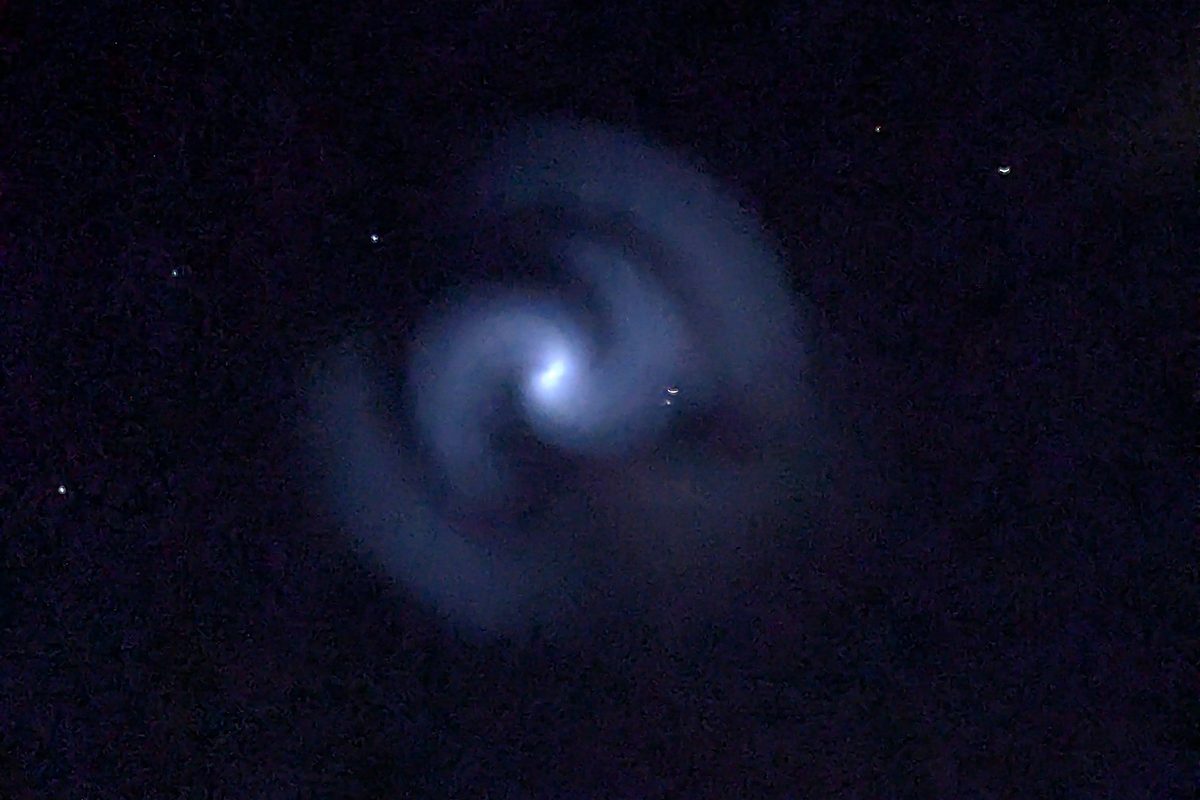
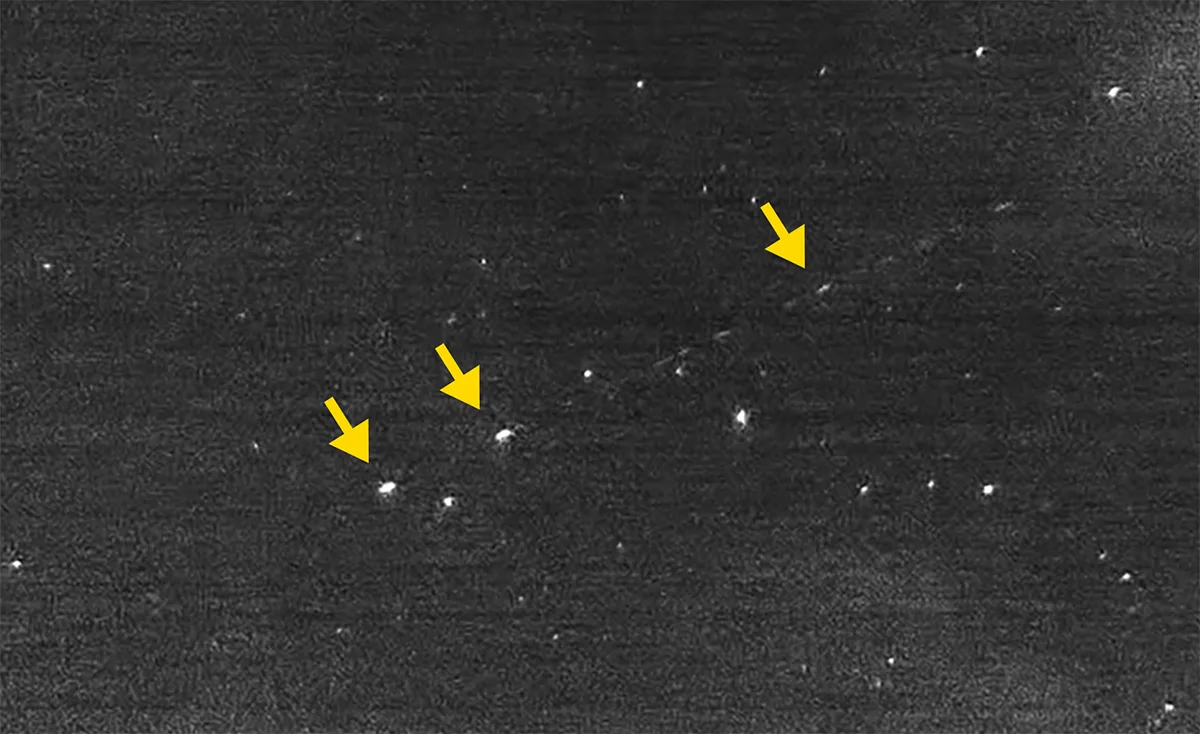
The BBC guide does something the best monitor reference pieces should do: it slows the reader down. A flash in the sky is not one thing. It may be a tumbling satellite reflecting sunlight, a stationary-looking geosynchronous satellite, a meteor train, or a launch-related spiral effect that briefly looks surreal to people seeing it for the first time.
That matters for your site because these are exactly the kinds of descriptions that recur in local-news sightings. The same broad phrase — “strange flash” or “weird light” — can cover several very different phenomena. A good archive needs this kind of explanation piece in the mix so readers have somewhere to compare what they saw.
What the images do — and do not — prove
The BBC images are illustrative examples, not evidence for one unified phenomenon. Their value is educational: they show how odd but explainable sky events can look in practice, especially when seen briefly or under unfamiliar viewing conditions.
Why this one is worth tracking
It belongs on the site because not every useful monitor item is about proving a mystery. Some of the most valuable pieces are the ones that reduce confusion before a report hardens into folklore.
Open questions
- Which explanation patterns from this guide show up most often in your monitor feed?
- Would a dedicated “common false positives” hub page be useful on the site?
- Should future sighting articles link back to this guide when the description matches a known pattern?
- Can launch-related spirals and satellite trains be broken out into their own internal reference pages later?