
A new records-watch entry follows a DVIDS/AARO video record where the strongest public facts are the sensor timeline, the lack of narrative context, and the source’s own warning not to treat the description as an identification.
The short version
- DVIDS identifies the record as DOW-UAP-PR49, an unresolved UAP report submitted by the Department of the Army to AARO.
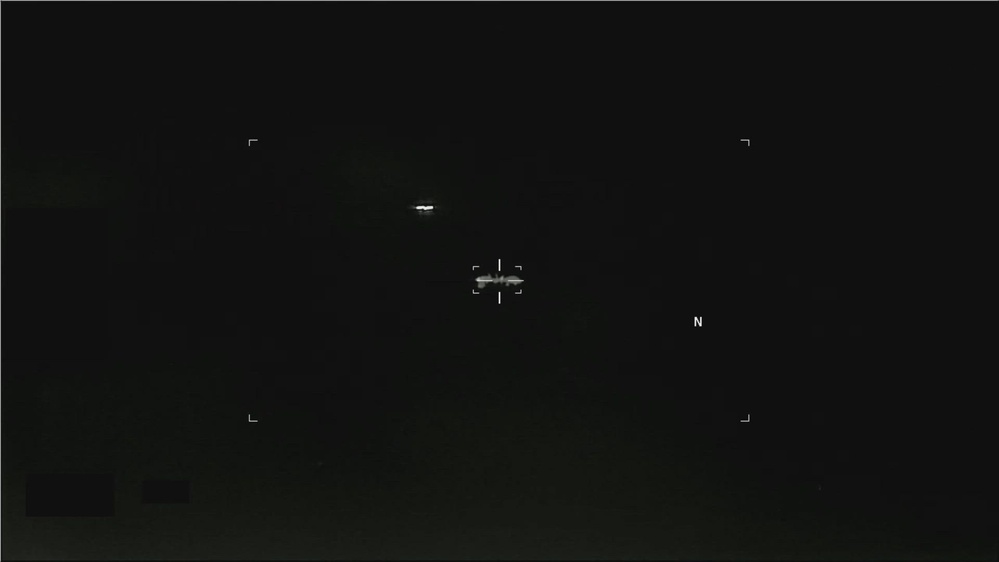
- The public video is 1 minute and 49 seconds long and comes from an infrared sensor aboard a U.S. military platform in 2026.
- The source page lists the location as undisclosed and says the reporter provided no oral or written description of the observation.
- The source description tracks two areas of contrast through zoom changes and contrast-setting changes, but it does not identify the objects.
What the records say
DVIDS says the Department of the Army submitted the report to AARO and that the public item consists of infrared-sensor video from a U.S. military platform.
The timeline starts with the sensor tracking an initial area of interest. From 00:09 to 00:16, the sensor disengages and pans right-to-left to track two areas of contrast, narrowing the field of view to zoom in while keeping the objects near center frame.
From 00:17 to 01:03, the sensor widens the field of view. Around 01:04 to 01:08, zoom changes cause the contrast areas to appear to change size rapidly. The final segment tracks the same areas while cycling contrast settings.
The page lists Date Taken as 01.01.2026, Date Posted as 05.08.2026, Video ID 1006111, VIRIN 260102-D-D0360-9604, filename DOD_111689168, and a 00:01:49 length.
Media and records limits
The video is useful because it is a primary DVIDS record, but it is narrow evidence. The public page gives no exact site, platform, altitude, range, sensor mode, environmental conditions, or operator account.
DVIDS explicitly says the description is informational only and should not be read as an analytical judgment, investigative conclusion, or factual determination about the event.
That means the article can preserve the record and the visible tracking sequence, but it cannot responsibly turn the two contrast areas into a craft identification.
Why this one is worth tracking
PR49 is worth tracking because it is an official release with a clean source page and enough sensor-timeline detail to compare against other AARO/DVIDS records. Its missing context is just as important as the clip: without location, range, and operator notes, the public record remains unresolved rather than explanatory.
Open questions
- Where was the U.S. military platform operating when the video was captured?
- What were the range, altitude, and sensor settings for the tracked contrast areas?
- Did AARO receive any classified mission report or operator notes not reflected on the public DVIDS page?
- Are there longer source files before or after the 1:49 public clip?