
The short version
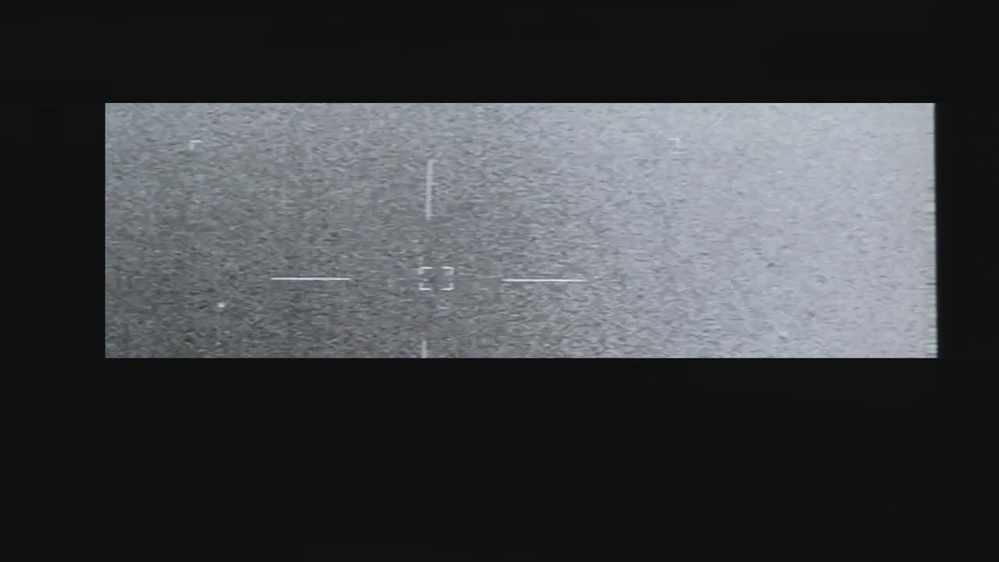
DVIDS lists DOW-UAP-PR123 as an unresolved Pacific Ocean UAP report with a date taken of Jan. 1, 2019 and a public posting date of Aug. 7, 2026. The United States Navy Unidentified Anomalous Phenomena Task Force transferred the media to AARO in 2022. The released item contains 1 minute and 4 seconds of footage captured by a hand-held recording device pointed at an infrared sensor display aboard a U.S. military platform.
What the records say
The source says PR123 through PR127 were captured contemporaneously and that the PR123 media was digitally altered before it was reported to AARO, then published as received. DVIDS describes an area of contrast near the center of the frame, losing distinctiveness against the background, becoming visible again, and then remaining generally centered as the sensor pans and zooms.
Media and records limits
The video is explicitly not native primary sensor data. The public file is a secondary capture of a display, so blur, flicker, exposure shifts, and screen-recording artifacts can affect what readers see. DVIDS also withholds exact location, platform, range, altitude, environmental context, sensor settings, and any final AARO explanation or non-explanation.
Why this one is worth tracking
PR123 is worth tracking because it is a clean example of a primary-source records lead that can be interesting without being conclusive. It gives a real DVIDS URL, UAPTF/AARO provenance, duration, and related-file grouping, while also showing how much analytic context is missing from public UAP video releases.
Open questions
- What digital alteration occurred before the media was reported to AARO, and who performed it?
- Do PR123 through PR127 depict one continuous Pacific Ocean event or separate moments within a broader encounter?
- What range, platform-motion, and sensor metadata would be needed to judge the apparent contrast area?
- Can the location be narrowed beyond Pacific Ocean without relying on speculation?