
The short version
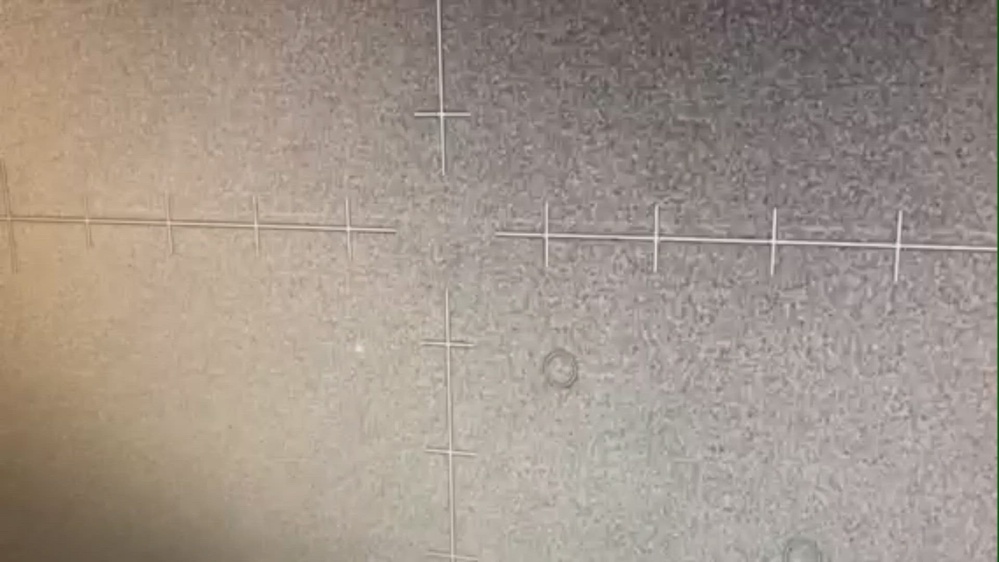
DVIDS lists DOW-UAP-PR117 as an unresolved UAP report from the Gulf of Oman, recorded on Sept. 8, 2021 and posted Aug. 7, 2026. The page says the United States Central Command submitted 16 seconds of video to AARO. It was not native sensor data; it was a cellular-device recording of an infrared sensor display aboard a U.S. Special Operations Forces AC-130J Gunship.
What the records say
The source states that PR117 through PR122 were captured contemporaneously. It also points to an accompanying Intelligence Information Report, DOW-UAP-D101, which describes the phenomena as “cold orbs” approximately four feet in diameter. In PR117 itself, the DVIDS time-coded description is narrow: from 00:00 to 00:16, an area of contrast remains generally within the center of the sensor field-of-view.
Media and records limits
The key limitation is built into the source. DVIDS says the footage is a secondary capture of a display, not native primary sensor data, and that filming a screen can introduce fidelity, resolution, blurring, and flicker artifacts. The public page does not provide range, altitude, sensor settings, weather, full platform track, or the full DOW-UAP-D101 text needed to test the cold-orb description against ordinary explanations.
Why this one is worth tracking
PR117 is worth separating from broad 41-file-release coverage because it ties a specific clip, incident date, platform type, source command, companion report number, and unresolved archive label together in one primary public record. It is a useful checkpoint for readers following how the Pentagon/AARO release pipeline distinguishes a released source artifact from an analytical conclusion.
Open questions
- What does the full DOW-UAP-D101 report say about the reported number, motion, range, and thermal behavior of the cold-orb observations?
- Do PR117 through PR122 show one event from repeated angles or distinct segments of the same live-fire exercise encounter?
- What aircraft motion, sensor settings, and environmental data would be needed to rule in or rule out mundane explanations?
- Will AARO or DVIDS ever publish native sensor data rather than a secondary cellphone recording of the display?